Breeding with Gen1 Seeds
Understanding Dominant Traits & Recessive Breeding
By Colin Gordon & Ben Owens
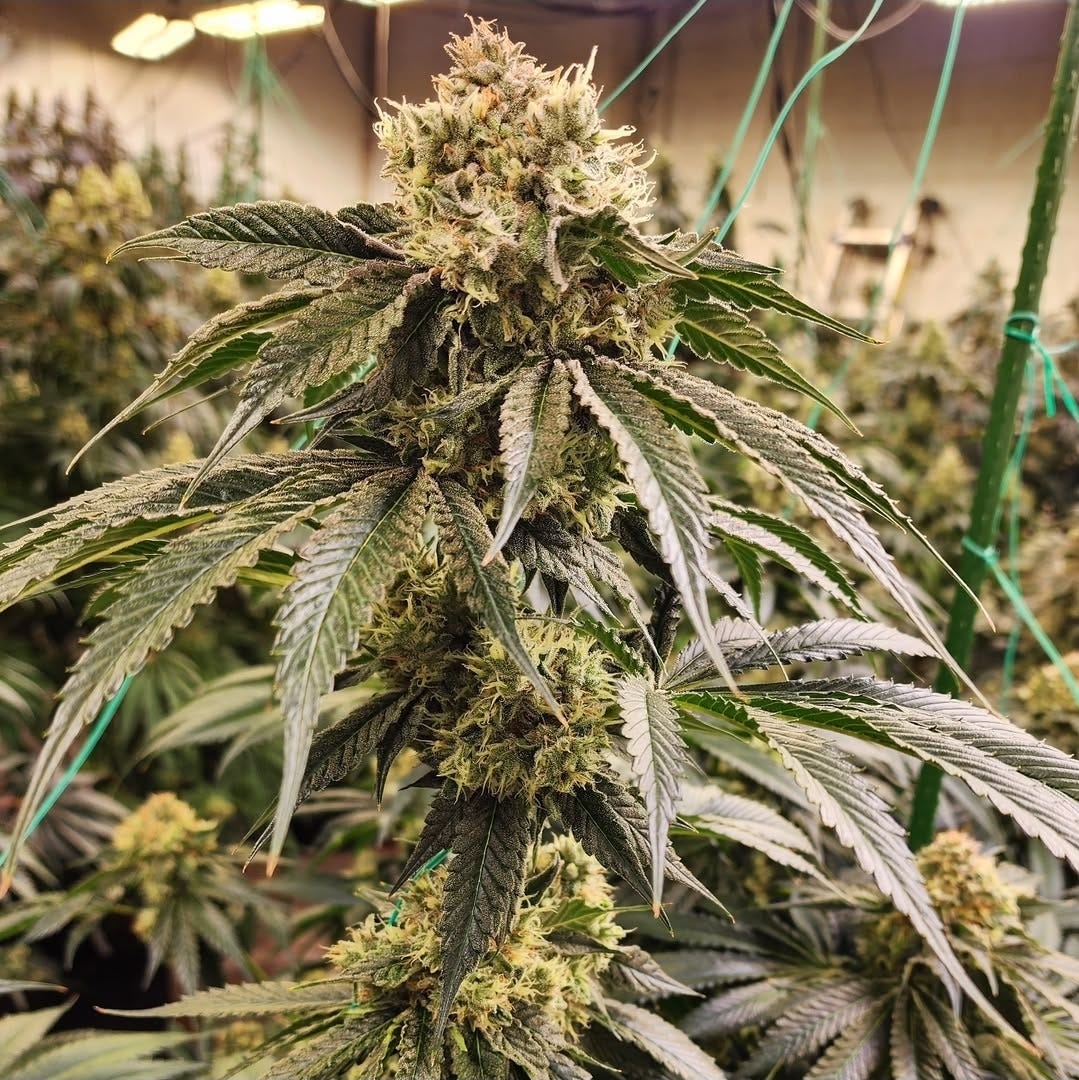
When you want to bring photoperiod traits to autoflowers, you have to start with Gen1 seeds.
As we touched on previously, a Gen1 is the first generation of offspring produced from crossing an autoflowering plant with a photoperiod plant.
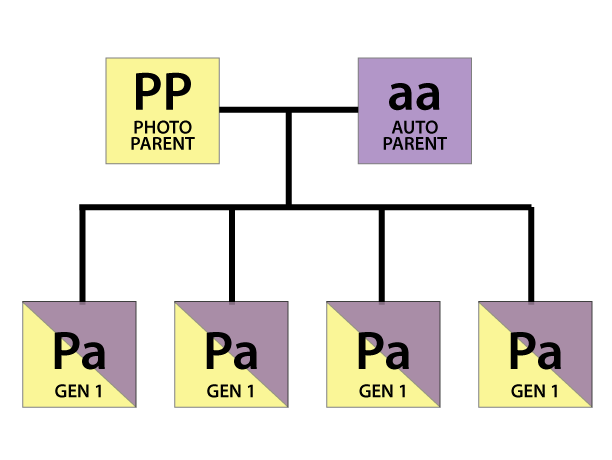
A Gen1 is just an F1 hybrid of two plants with different flowering traits. Gen1 plants carry one dominant trait (“P” - photoperiod) and one recessive trait (“a” - autoflowering).
These seeds represent the starting point of new lines that can be steered towards auto or photo in the F2 round.
Understanding Dominant and Recessive Traits
When a photoperiod plant (P) is crossed with an autoflower (a), 99% of the resulting Gen1 seed will appear photoperiod in behavior, requiring a light cycle change to flower.
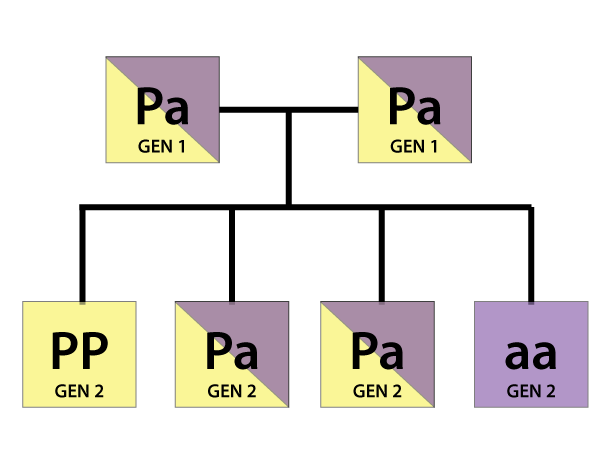
But inside those plants, the autoflower gene is still there (see Punnet Square above), dormant and recessive, waiting for a match in the next generation.
When we breed those plants together (F2 or Gen2), the genetic expression begins to separate. Roughly 25% of the offspring will express as autoflowers, 75% will express as photoperiod. This allows us to select plants that express the recessive autoflower trait (plants with “aa” in the example chart) for the next round of breeding.
By the third generation (F3), a breeder can stabilize that recessive trait to continue the auto line.
That’s the distinction of a Gen1: it’s the starting point, the fork in the road where a breeder decides which path to pursue.
Breeding Direction: Photo or Auto
From a Gen1, there are two paths a breeder can take:
If the goal is to develop a new photoperiod variety, we continue selecting plants that flower only when triggered by a lighting cycle change. Over successive generations, those dominant photoperiod alleles become fixed, and the recessive auto traits fade out.
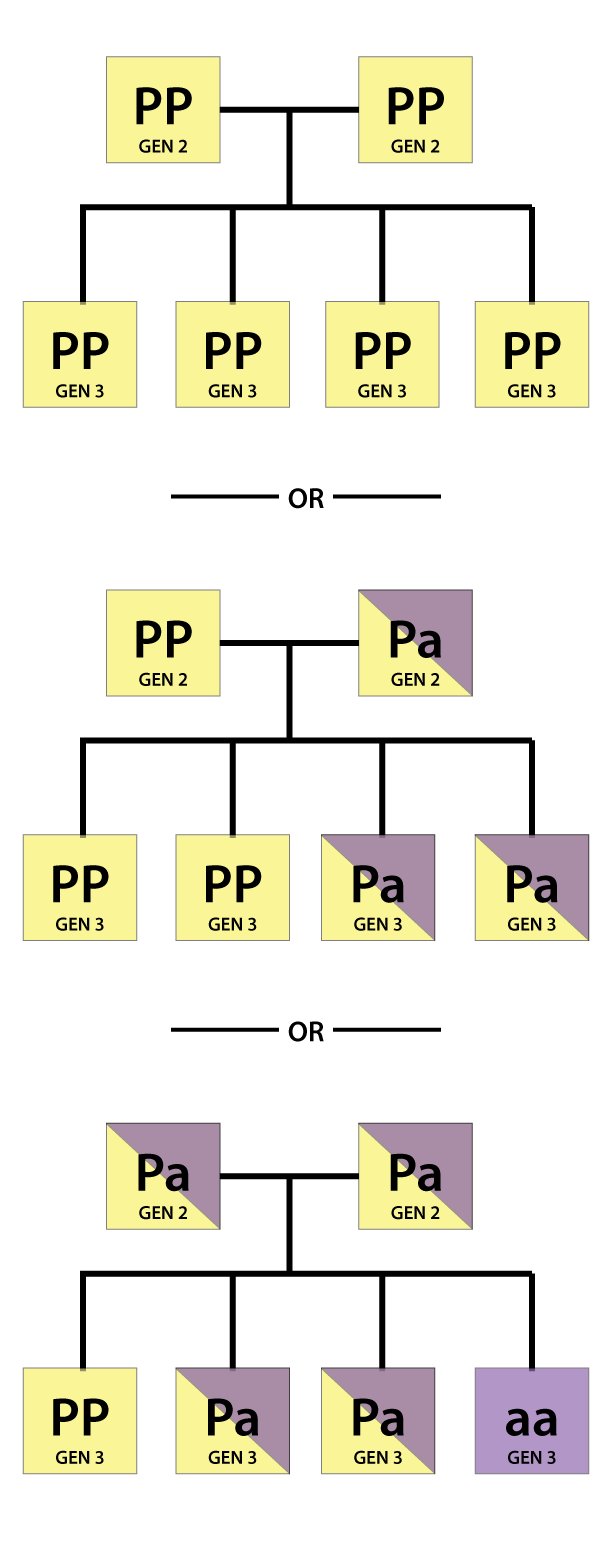
If the goal is to develop a new autoflower cultivar, we do the opposite, selecting only auto expressions. By Gen3, and certainly by Gen4, those plants will reliably carry the fully recessive autoflowering trait.
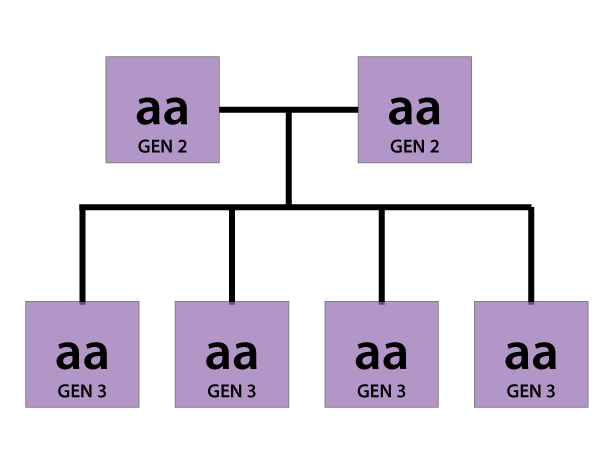
It’s not an instant process to merge auto and photo genetics. Most projects take multiple rounds of selection and backcrossing to reach full stability.
The Red-Headed Exception: Hidden Recessive Traits
Even after multiple generations, recessive traits can reappear.
Two photoperiod plants carrying a hidden autoflower allele can unexpectedly produce a few autos in their offspring. It’s like a large blond family in Ireland where everyone is blond and, every so often, a redhead pops up. The genes were there all along; they just needed the right pairing to show themselves.
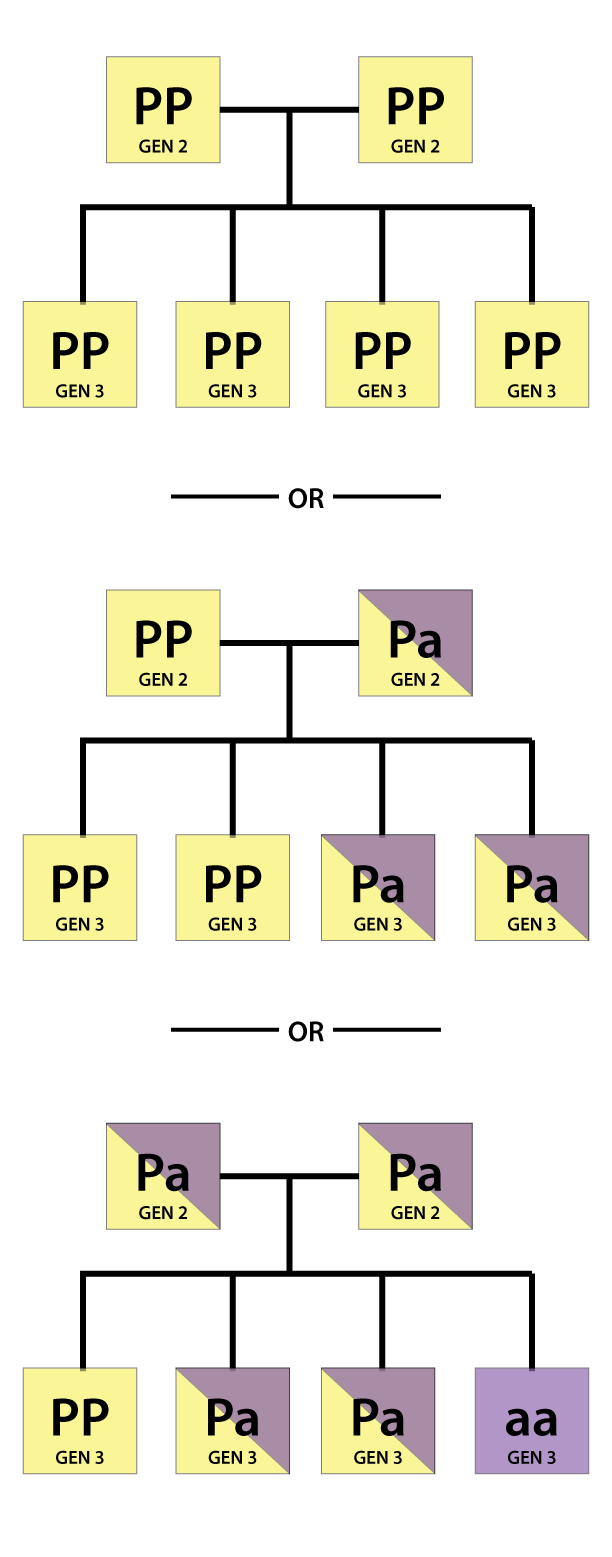
That’s why selection, testing, and space matter so much as you move onward from Gen1 towards an autoflower or photo breeding project. The more plants you run, the easier it becomes to select or remove traits over time.
Using Autos For Photoperiod Breeding
Gen1 Seeds are often used to make new autoflowers, bringing desirable photoperiod parent traits like bag appeal, aroma, and cannabinoid production, but the utility of bringing desired traits can go both ways.
Breeders can also bring desirable autoflower parent traits to photoperiod lines like quicker flowering triggers, and shorter flowering times, as well as unique structural expressions. That opens new doors. Gen1’s are a two-way bridge to bring photoperiod quality into autos, and modern auto traits into photos.
For breeders, Gen1 seeds mark the true starting point when two worlds meet, and successive generations depend on which traits we choose to carry forward.
Subscribe to our Substack to receive new content automatically
Grab a collector's edition of the ETHOS magazine in print HERE.