The Future of Seeds: The Rise of New Breeding Technologies
True F1's, CRISPR, GMO's and Biotech
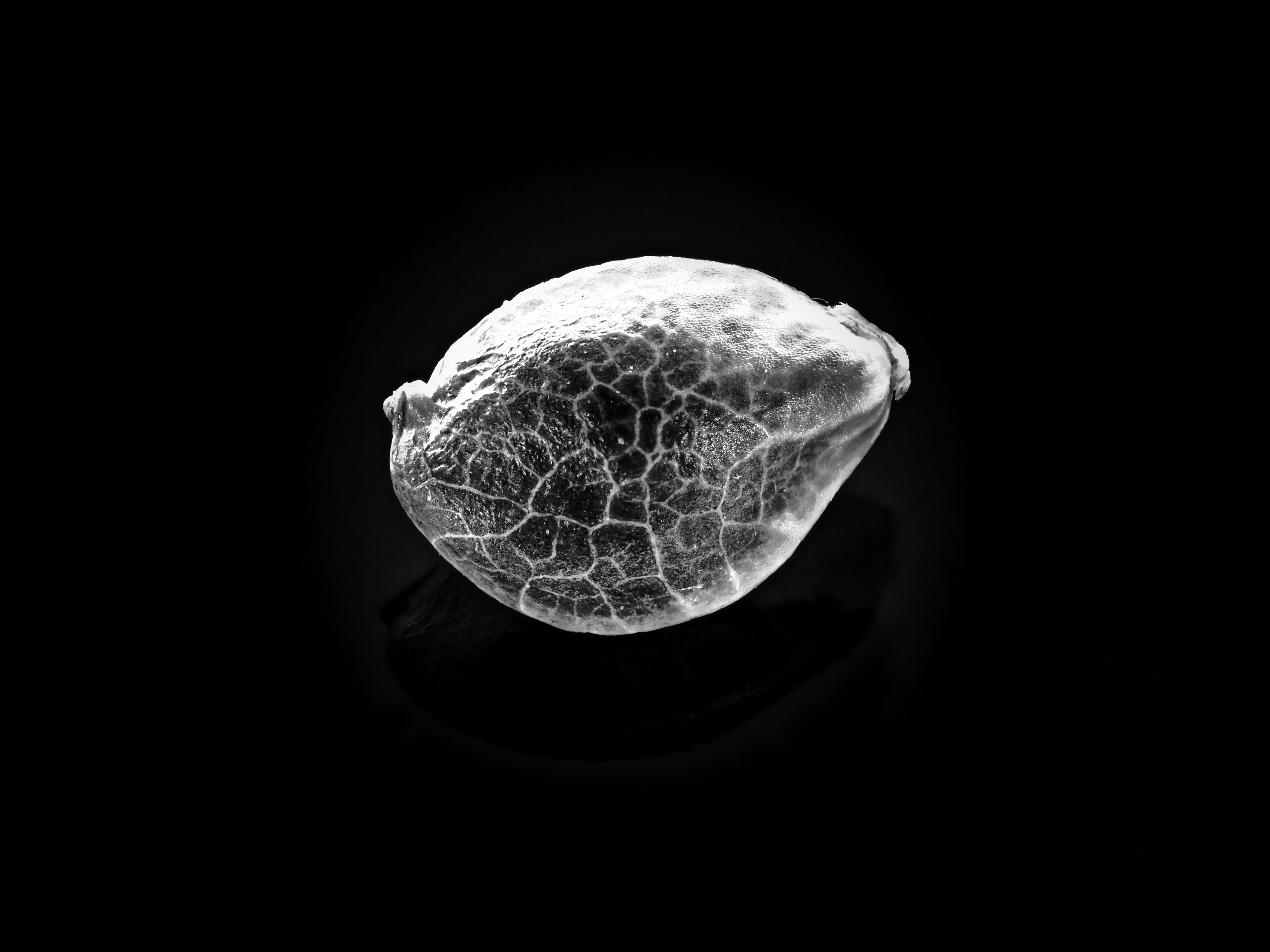
As legalization spreads, we will not only see the retail seed market change, but also the rise of New Breeding Technologies (NBT) being used in cannabis.
This transition has already begun with a focus on True F1s.
True F1’s are the first filial offspring resulting from the cross of 2 genetically-unrelated, homozygous parents, which will express as a single phenotype.
In addition to True F1s, NBTs like CRISPR and GMO are entering the space and will do so rapidly once US legalization occurs.
We predict that there will be 3 distinct segments of the seed market:
- Organic Seed - Seed produced through traditional selective breeding methods, with or without lab test assistance.
- CRISPR Seed - Seed produced from parents that have been genetically-edited using biological vectors to selectively modify the DNA for desired traits (no foreign DNA/genes).
- GMO Seed - Seed produced using genetically-modified parents (possessing foreign DNA/genes from other crops/organisms)
In 5 years, the cannabis seed industry will look dramatically different from today, and—if traditional agriculture is any indicator—the prevalence of NBT crops will only increase.
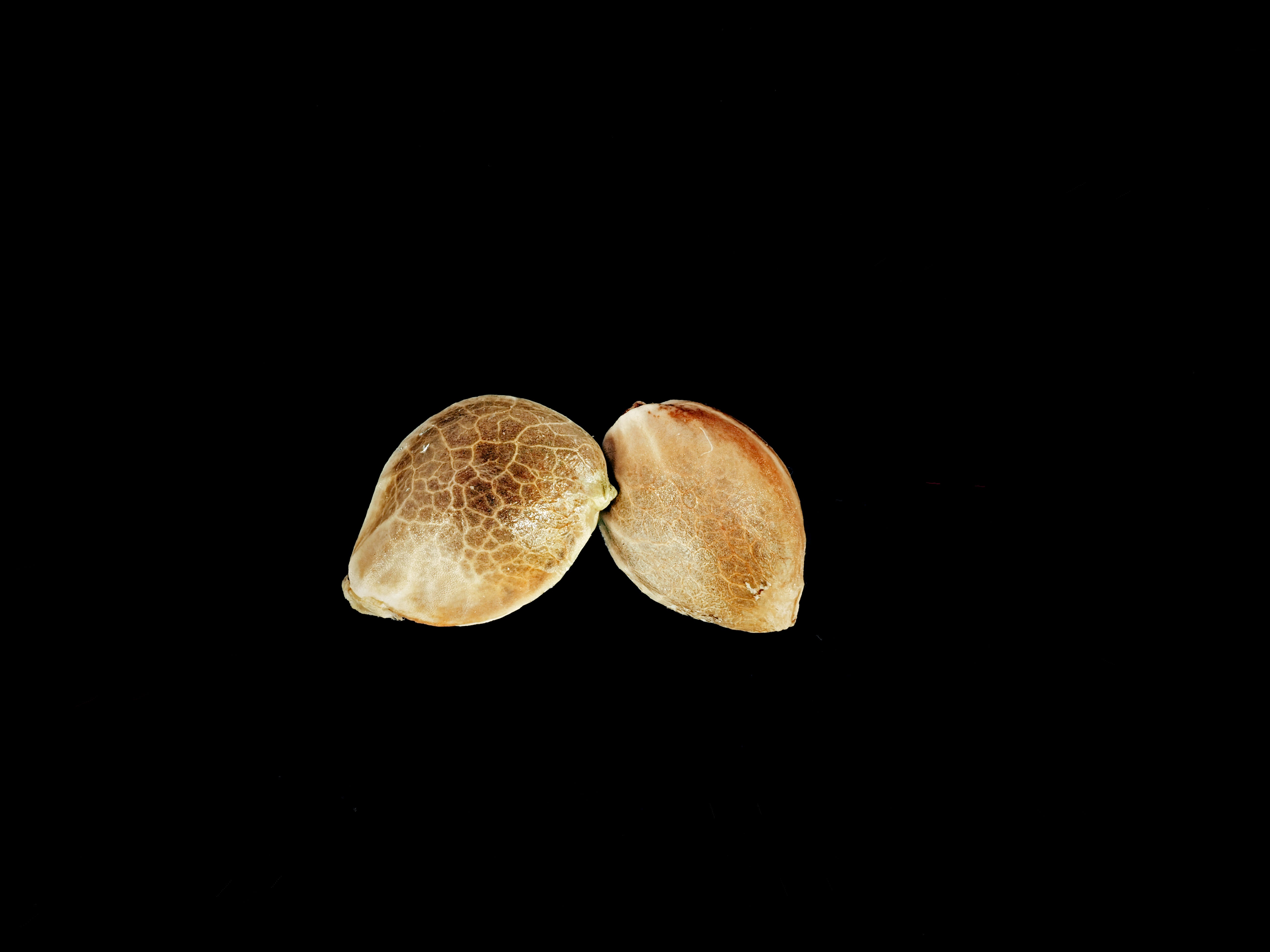
More than 90% of U.S. commercial crops—corn, wheat, barley, rice, etc.—are grown using biotech seeds, mostly by cash-poor farmers, strapped for resources to maintain crops as is.
Most companies that produce cannabis are in the same boat as these cash-poor farmers in other industries, with less access to subsidies, write-offs, and support. Any advantage that reduces costs and increases the chance of success is likely to be welcomed with open arms, even if it may be concerning to some consumers.
When the United States legalizes cannabis on a federal level, that will be the catalyst that brings the big players into the market.
When the US legalizes, it could increase the worldwide market by a factor of 10 or more. That's when the market starts to see the Philip Morris's and Bayer's of the world enter the industry; That's when true GMO cannabis will enter the market in a rapid, expansive way.
The transition from organic seed to biotech will take place in 2 alternating stages: stabilization and manipulation.
Many will start by stabilizing a variety for research. This is where True F1s come into play.
While not necessary for certain processes, starting with a stable variety can improve the efficacy of transferring desired traits to offspring.
As explained by the team at CanBreed in the following piece on their efforts with CRISPR, manipulating genes of unstable varieties can prove unproductive as there is a chance that the progeny would not carry the desired traits.
Once a desired variety has been selected, the focus turns to manipulating as desired.
CRISPR makes cannabis genetic research more accessible to universities and smaller labs that do not have the funding of Big Tobacco or Big Pharma.
Researchers can use CRISPR to make edits that induce naturally-occurring mutations on the genetic level using enzymes and proteins. These edits affect how plants grow and produce, and are used to bring desirable agronomic traits such as mold and mildew resistance to cannabis.
Eventually, GMO cannabis will surface with genes found in other mass-scale cultivation crops like tobacco, corn, hops, and barley. These varieties will likely present agronomic traits found in other commercial crops that cannot be achieved through natural mutations or selection.
But the insidious nature of these modifications is that they are next to impossible to identify without cost-prohibitive testing.
At that level, it goes beyond observation, focusing on the genetic makeup of the plant.
And, unlike in other crops, cannabis continues to be bred through conventional methods alongside these NBTs, which makes it increasingly likely that bioengineered genes may unintentionally make their way into the cannabis genepool.
True GMOs will be a crucial turning point for this industry: Not just on principle, but the perception that comes with growing them.
In 5-10 years, if Cannabis follows the path of commercial agriculture, most weed will be grown from CRISPR and GMO seeds.
Growers will have to make a choice.
It will be overt and dramatic, creating 2 distinct markets: biotech seeds and organic seeds.
Because once you are known for growing biotech seeds, you will always be known for that. And, at that point, what's the point of growing anything else if you're already known for it?
Until then, we will continue to see traditional seed makers begin to move in the direction of True F1 lines, stabilized for growing from seed in commercial settings, and propagation methods will be reserved for niche, boutique operations.
Subscribe to our Substack to receive new content automatically
This article is featured in Vol. 6 of The ETHOS Magazine.
Grab a collector's edition of the ETHOS magazine in print HERE.